Waterfronts, Life by the Harbor, and How to Choose
A coastal city is never just an inland city that happens to sit beside water. The sea dictates everything: how the streets face the evening wind, how locals spend their lunch hours, and what lands on plates after 8:00 PM.
If you're planning a trip to one of Europe's coastal centers, the first thing to recognize is that not every coastal city offers effortless swimming. Some are maritime trade powerhouses where the water is working territory. Others boast expansive sandy city beaches within a ten-minute walk of the historic core.
The Classic Dilemma: City Break or Beach Vacation?
A lot of travelers arrive in a coastal hub like Naples, Porto, or Marseille expecting an immediate dip into crystal-clear turquoise waters right beside their hotel. That's rarely how historic maritime cities operate. Porto is dominated by the steep, atmospheric gorge of the Douro River, meeting the roaring Atlantic at Foz do Douro three miles downriver. It's majestic, moody, and great for a promenade stroll, but the Atlantic surf here is chilly and serious.
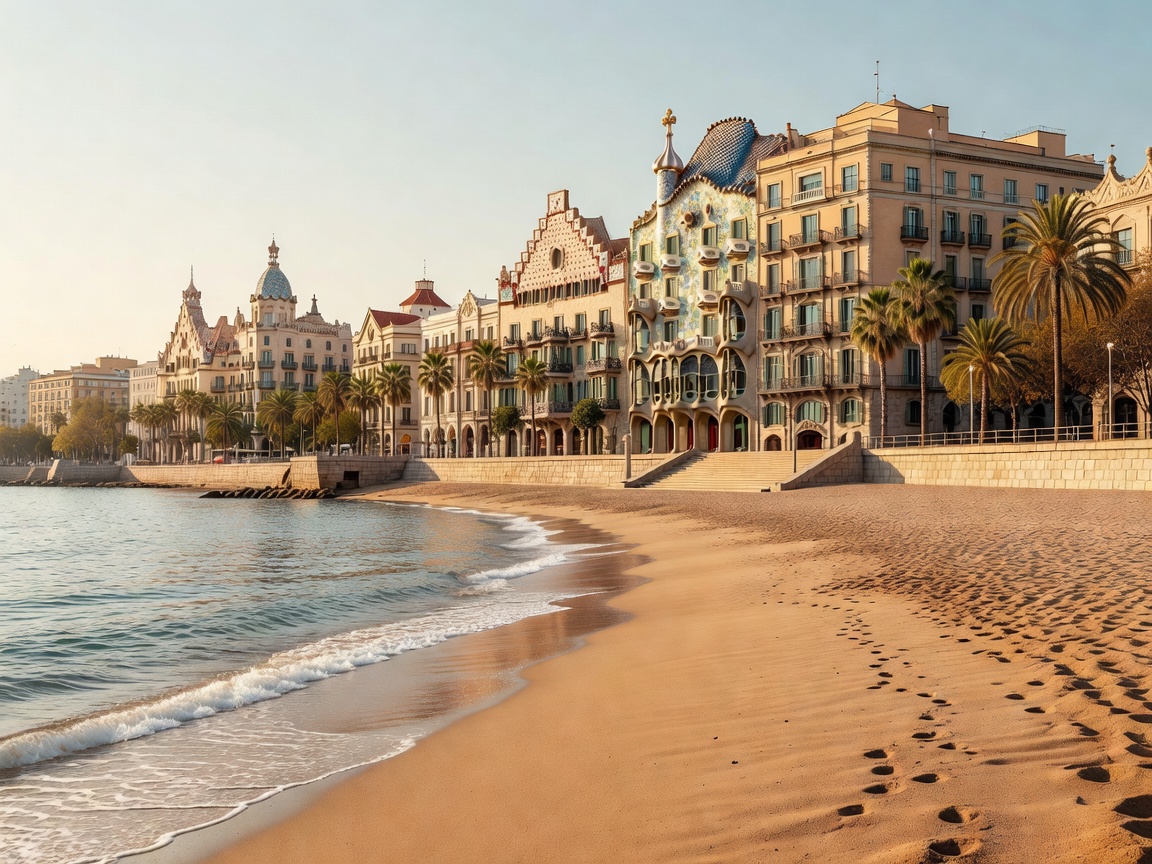
By contrast, cities like Nice and Valencia treat the beach as their collective backyard. In Nice, the pebbles of the Promenade des Anglais sit literally across the boulevard from grand Belle Époque apartments. In Valencia, wide sandy stretches like Malvarrosa are accessible directly by tram from the historic center. If your priority is alternating two hours in a world-class gallery with two hours of swimming, choose Nice, Valencia, or Barcelona.
Historic coastal ports feature polished limestone and cobblestone streets worn smooth by hundreds of years of foot traffic. Add occasional ocean mist or sea foam, and slippery surfaces are common. Leave rigid leather-soled shoes at home in favor of grippy walking sneakers.
Public Transit vs. Walking: Getting Between Harbor and Hill
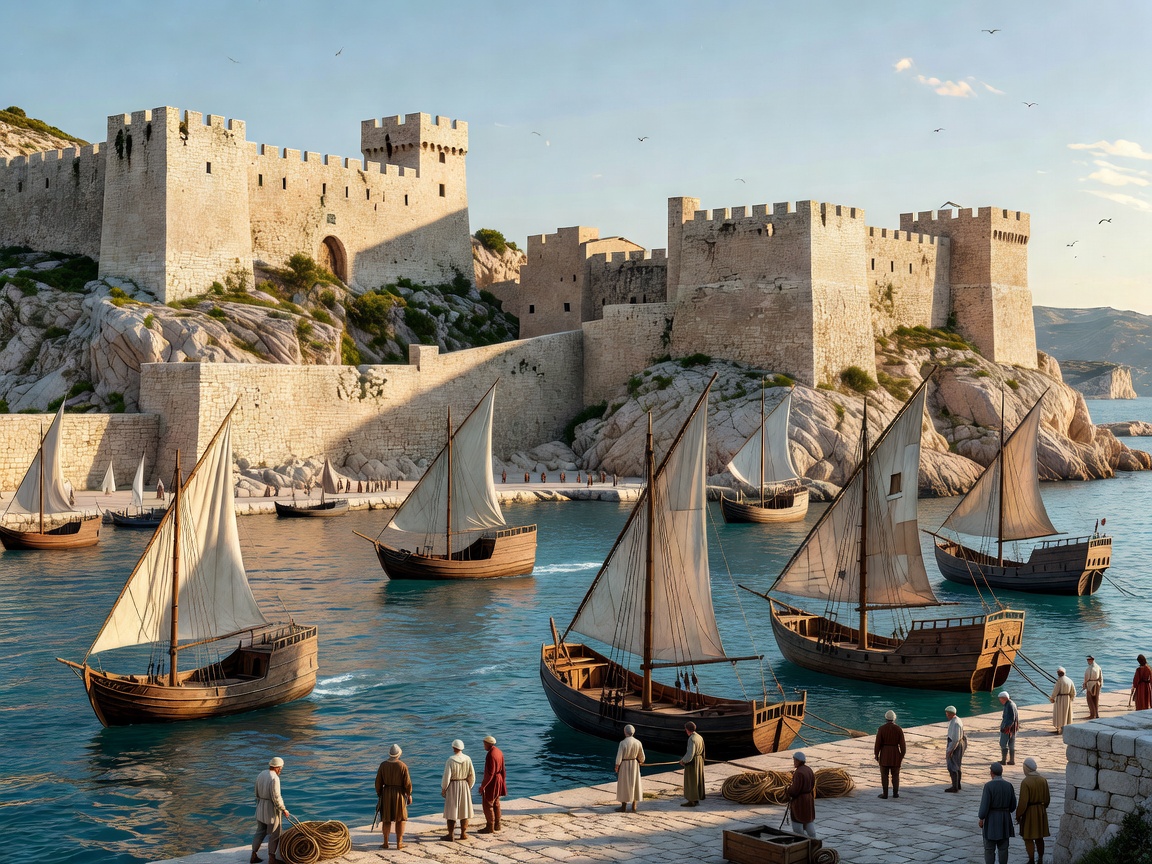
Coastal topography in Europe is rarely flat. Cities like Lisbon, Genoa, Naples, and Split grew around steep headlands that provided natural shelter for wooden ships. This means walking in these cities involves serious elevation.
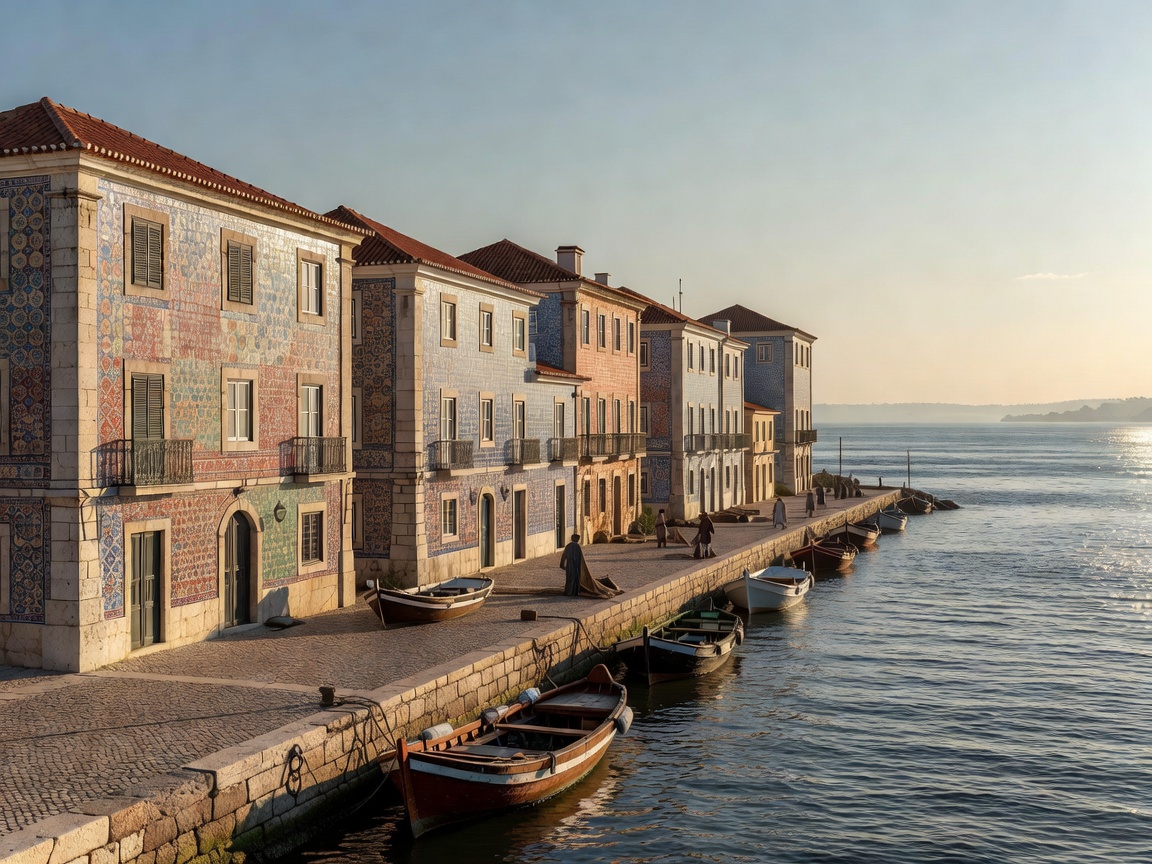
Take Lisbon as an example. Its Miradouros (scenic viewpoints) offer panoramic vistas of clay roofs and the Tagus River, but climbing between the Baixa downtown and the Alfama or Bairro Alto districts demands real legwork. Fortunately, Europe's coastal cities have engineered clever public transit solutions:
- Funiculars and Ascensores: Found in Lisbon, Porto, and Naples, these vintage inclines save your knees and offer brief historic rides.
- Urban Ferries: In Copenhagen, Stockholm, and Marseille, harbor boats function as normal public transit. They provide the best skyline photography angles for the price of a standard metro ticket.
- Bicycle Networks: Cities like Copenhagen, Valencia, and Barcelona have invested heavily in flat, segregated coastal bike corridors. You can cycle from central squares out to distant piers safely.
Weekend Escapes vs. Extended Stays
Not every coastal city demands the same commitment of time. Match your itinerary to the scale of the city and its surrounding shoreline:
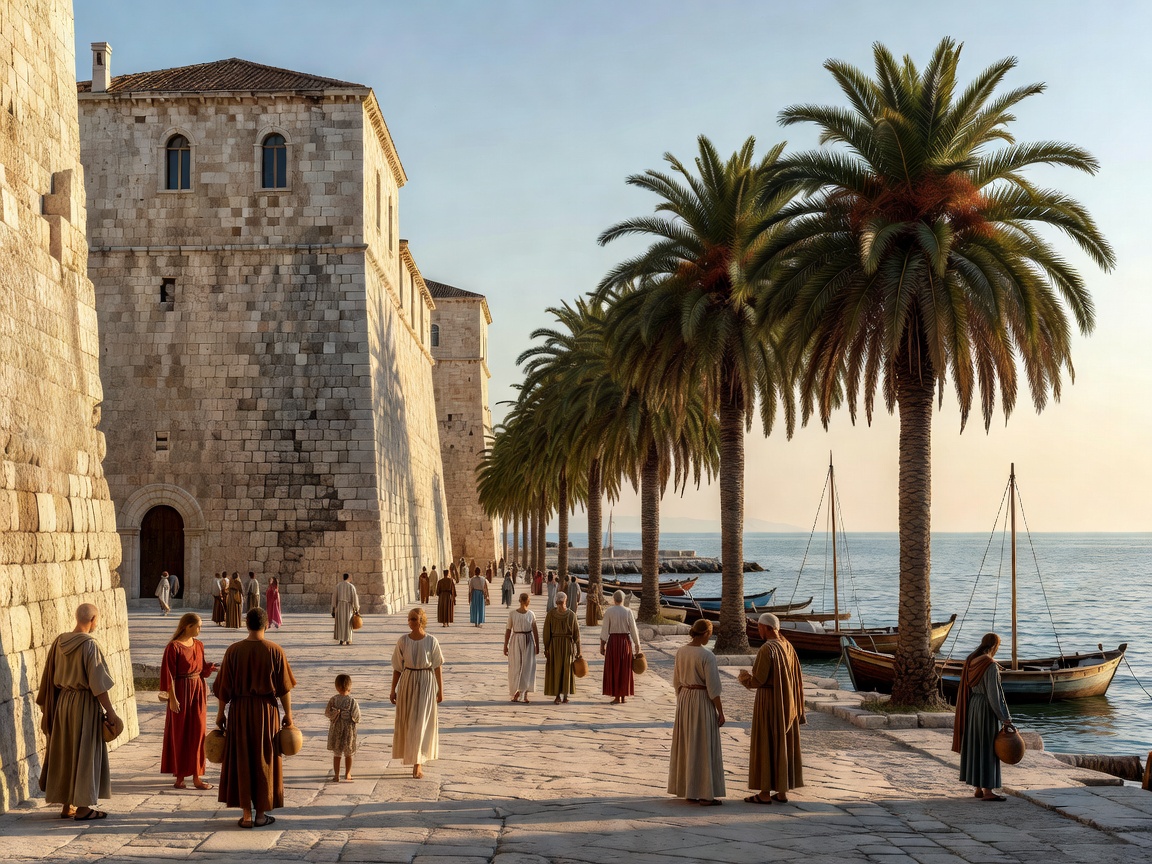
Ideal for a 48-Hour Weekend: Split, Nice, and Porto shine over two to three days. Split's core is delightfully compact; you can explore the entire palace of Diocletian, hike up Marjan Forest Park for sunset over the Adriatic, and catch a quick morning catamaran in a single weekend. Nice offers swift train connections to nearby harbor villages like Villefranche-sur-Mer in under ten minutes.
Deserves 4 to 6 Days: Lisbon, Marseille, and Barcelona have too many distinct quarters to rush. Marseille alone requires multiple days: you need one day for the historic Panier and MuCEM museum, a full day hiking or boating the Calanques, and an evening sampling couscous and fresh grilled sea bass in Noailles.
Advantages and Drawbacks
The upside of coastal cities is clear: you get vibrant urban culture, deep artistic heritage, and evening sea breezes that temper summer heat. However, there are trade-offs to keep in mind. Port areas can be gritty, industrial, and loud around dawn when fishing boats unload. Peak summer months (July and August) bring intense crowds to seaside promenades and inflate lodging costs near the water. For the most balanced experience, aim for the shoulder months of May, June, or September, when the water is warm, the crowds thin out, and the city breathes at its natural tempo.