Elevation, Footwear, and Respecting Coastal Elements
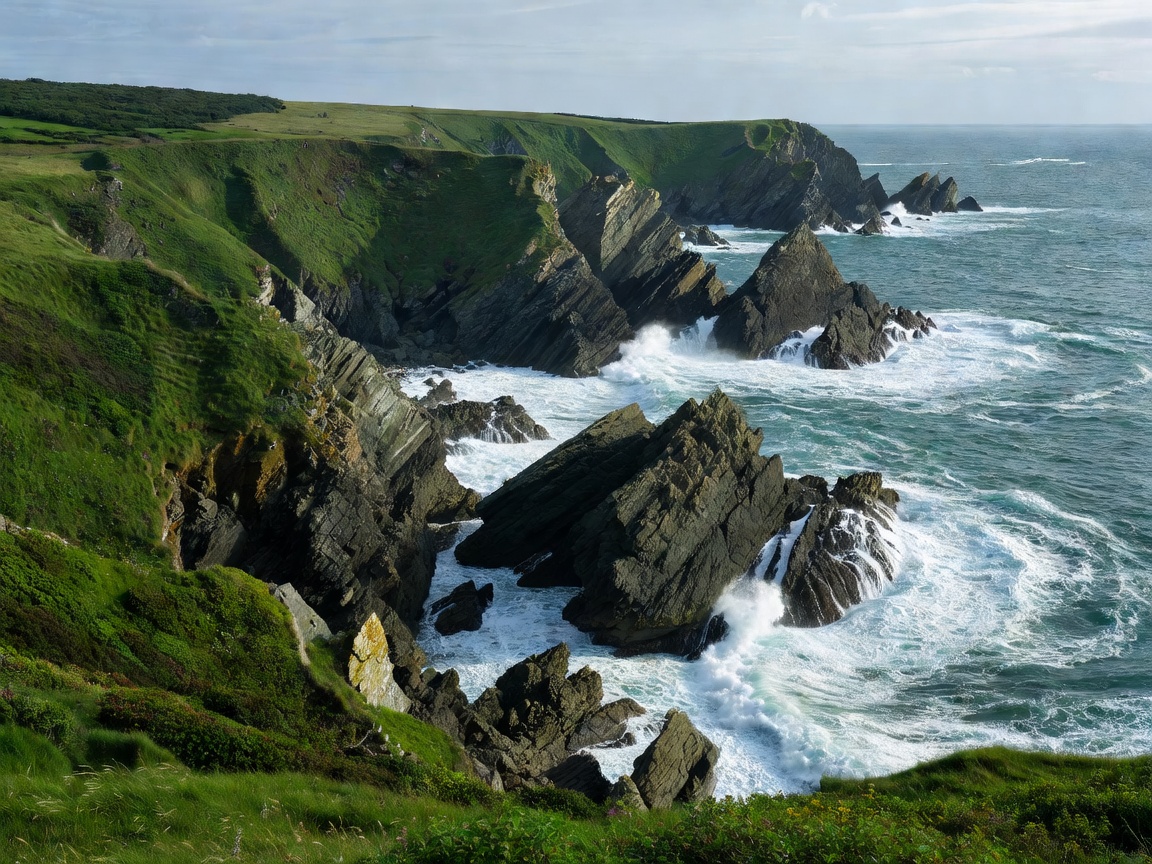
A frequent misconception about coastal trails is that they are flat. Because the ocean is level, beginners often assume walking beside it will feel like a stroll along a boardwalk. In reality, Europe's coastline is frequently jagged, steep, and carved by centuries of wind and tectonic folding.
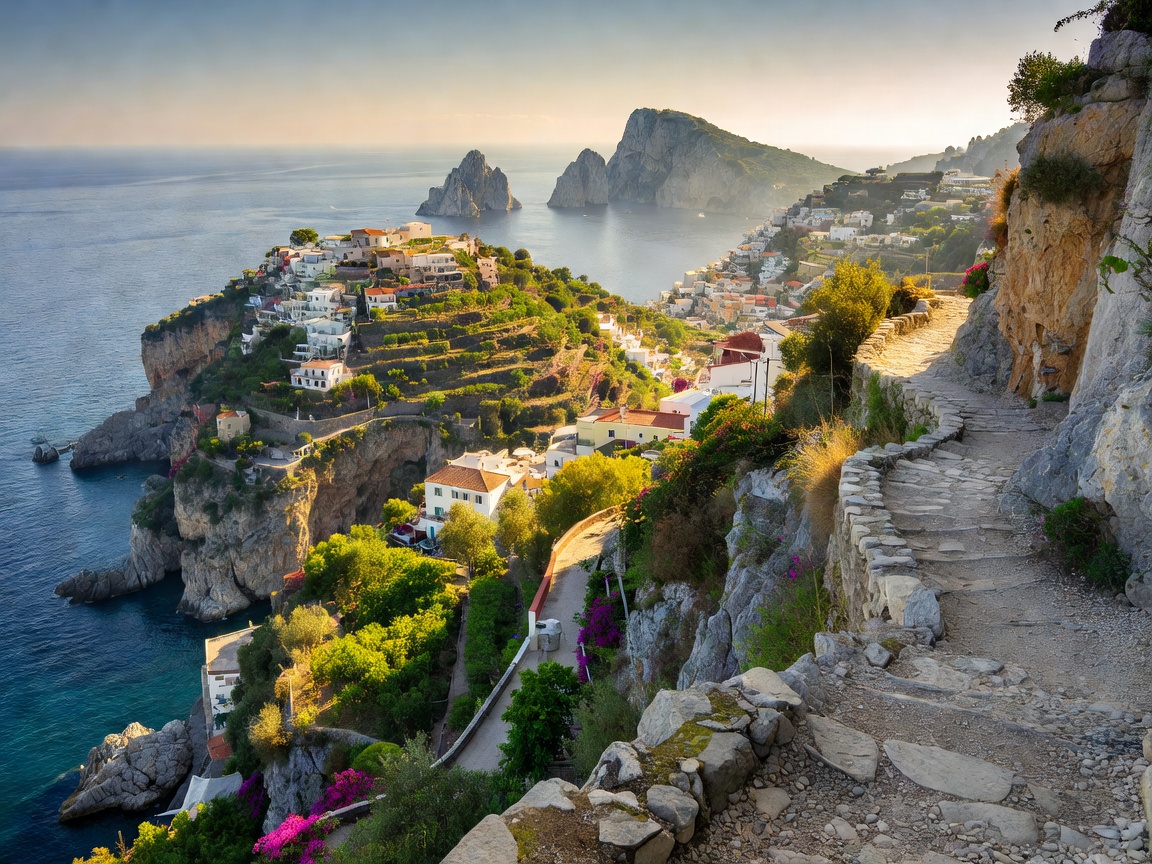
Trails like the Amalfi Coast's Sentiero degli Dei, the GR20 coastal spurs in Corsica, or the rugged paths around Mallorca's Serra de Tramuntana involve hundreds of meters of vertical ascent and descent over uneven rock ledges. Treating a cliffside hike like a walk in a municipal park is a fast route to twisted ankles and dehydration.
Easy Coastal Walks vs. Demanding Mountain Hikes
To plan realistically, differentiate between a gentle coastal promenade and a true backcountry trail:
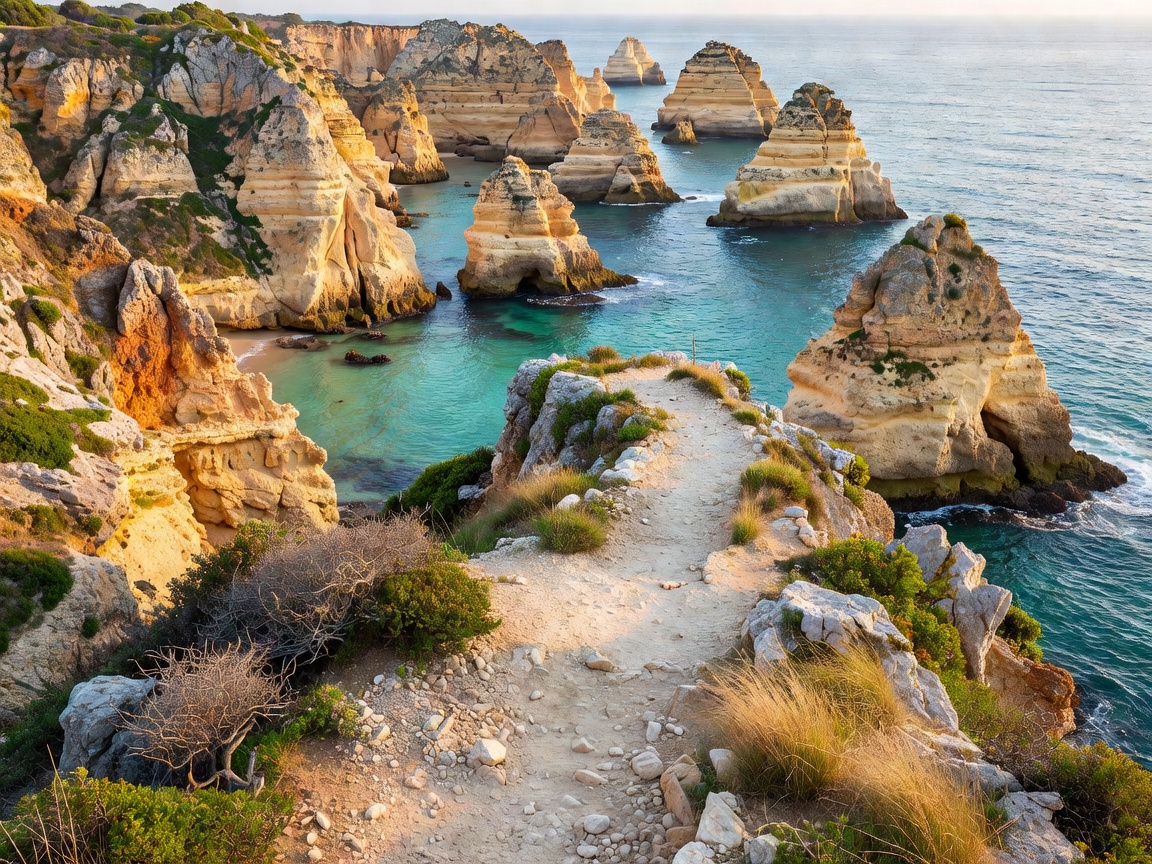
- Easy Coastal Walks: The Algarve's cliff paths, the paved seaside trails around Slovenia's Piran peninsula, and Brittany's Sentier des Douaniers (GR34) offer wide pathways, frequent escape routes to local towns, and gentle gradients. They are manageable for anyone with basic fitness wearing sturdy sneakers.
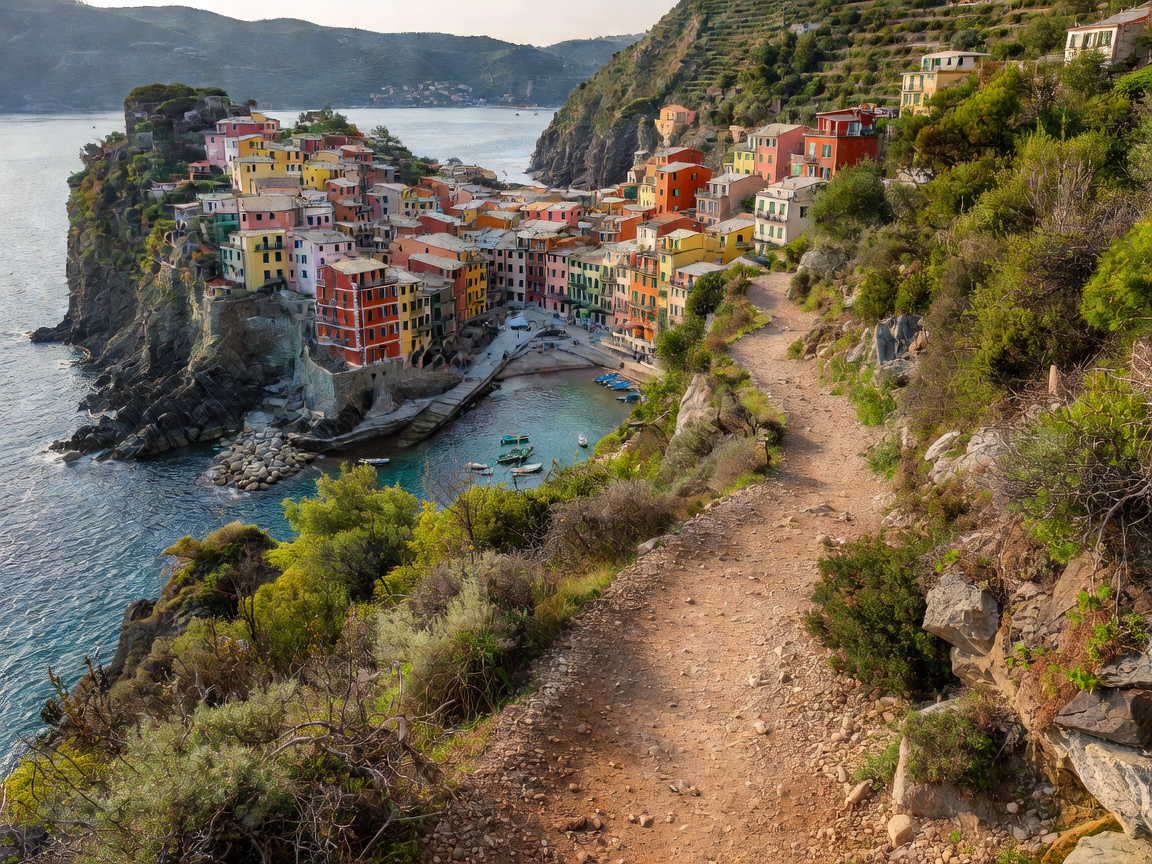
- Demanding Coastal Treks: Sections of the Cinque Terre between Corniglia, Vernazza, and Monterosso feature thousands of uneven stone steps that test your knees and quadriceps. Trails in Madeira that follow cliffside levadas (historic irrigation channels) run along narrow ledges with sheer drops where fear of heights can halt you completely.
Coastal cliffs are living geology subject to rockfalls, winter landslides, and seasonal storms. Popular routes—including sections of the Cinque Terre path—frequently close for repairs. Always verify local park notices, talk to local trail stations in village train depots before departing, and never bypass locked gates or warning ropes.
Essential Gear: Footwear and Hydration
Never hike a coastal trail in flip-flops or smooth canvas shoes. Polished limestone and loose shale gravel can be as slick as ice, especially if morning dew or sea spray dampens the ground. A good pair of trail running shoes or low-cut hiking shoes with deep rubber lugs provides the grip you need to step confidently on uneven stone.
Hydration is your second priority. Coastal hiking exposes you to continuous, unshaded sun. Even when sea breezes keep the temperature feeling moderate, the wind and UV reflection off the water evaporate moisture rapidly. Always carry at least two liters of water per person on routes exceeding two hours, as natural freshwater springs are rare on dry limestone headlands.
Public Transport: The Secret to One-Way Day Hikes
The greatest logistical advantage of European coastal hiking is the density of regional trains and bus lines. In regions like Liguria (Italy), the Basque Country (Spain), and the Côte d'Azur (France), railways run parallel to the cliffs.
This setup eliminates the frustration of out-and-back walks. You can start hiking from one village station, follow the coastline for twelve kilometers, finish in a neighboring harbor town for lunch and a swim, and catch a five-minute train ride right back to where you left your bags. It is hands-down the most satisfying way to experience coastal geography without needing a rental car.
Seasonal Timing: Why Spring and Autumn Rule
Midsummer (July and August) is the hardest time to hike Europe's southern shores. Midday temperatures on exposed south-facing cliffs often surpass 35°C (95°F), turning stone trails into ovens. For the best experience, schedule your hiking trips for April through early June, or September through late October. Spring brings wildflowers, blooming wild herbs like rosemary and thyme, and lush green hillsides. Autumn delivers warm sea water for end-of-hike swims and cool, crisp morning air that makes climbing steps feel light and effortless.