Sand, Stone, and Swell: Matching the Beach to Your Travel Style
Travel magazines love publishing lists of the "Ten Best Beaches in Europe." But ask a parent with toddlers and a solo swimmer what they need from a beach, and you will get contradictory answers. The parent wants shallow, calm water, nearby restrooms, and soft sand for digging. The swimmer wants deep water three paces from the shore, zero screaming crowds, and rocks that keep the bottom completely clear of churned-up sand.
Europe's coastlines are extraordinary precisely because they aren't uniform. The Mediterranean, the Atlantic, the Adriatic, and the Baltic offer fundamentally different beach days. Understanding these regional distinctions ensures you don't end up on a shore that clashes with your plans.
Pebble Coves vs. Fine Sand
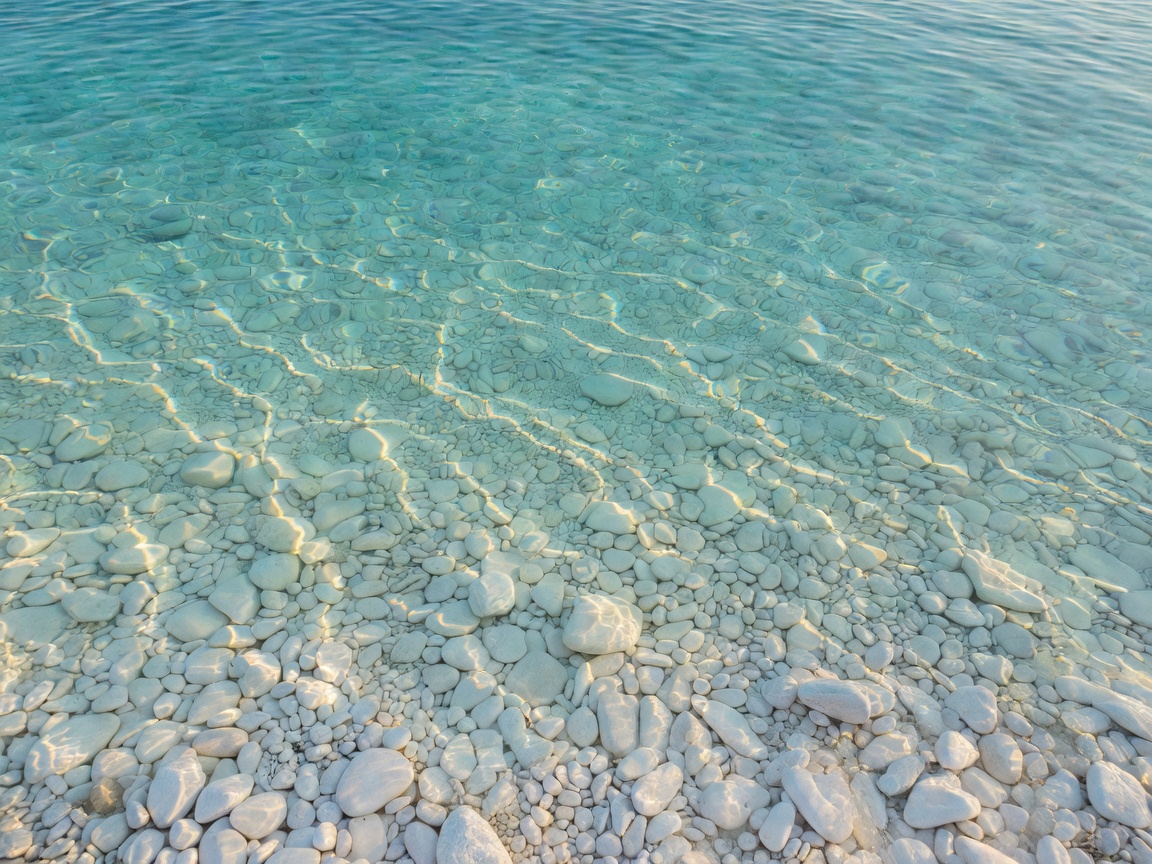
One of the most frequent surprises for travelers visiting the Mediterranean or Adriatic is the prevalence of pebbles. Along the Dalmatian coast in Croatia, parts of the French Riviera, and the Italian coastline from Liguria to Calabria, long sandy beaches are rare exceptions.
Do not let pebbles put you off. Smooth stone beaches have huge advantages. First, water clarity is unmatched. Without sand particles suspended by the surf, you can see twenty meters down into sapphire water. Second, you never end your afternoon covered in wet, clinging sand. Bring a pair of inexpensive neoprene water shoes to make walking over the stones effortless, and carry an inflatable pad or thick mat for lounging comfortably.
In Italy, parts of France, and Spain, large sections of popular beaches are operated as private concession concessions with rented umbrellas and loungers (called stabilimenti balneari in Italy). These offer fresh showers, changing cabins, and cold drinks. However, European law also guarantees free public access (spiaggia libera). Look for open gaps between the umbrella rows where anyone can set down a towel without paying.
Atlantic Energy vs. Mediterranean Calm
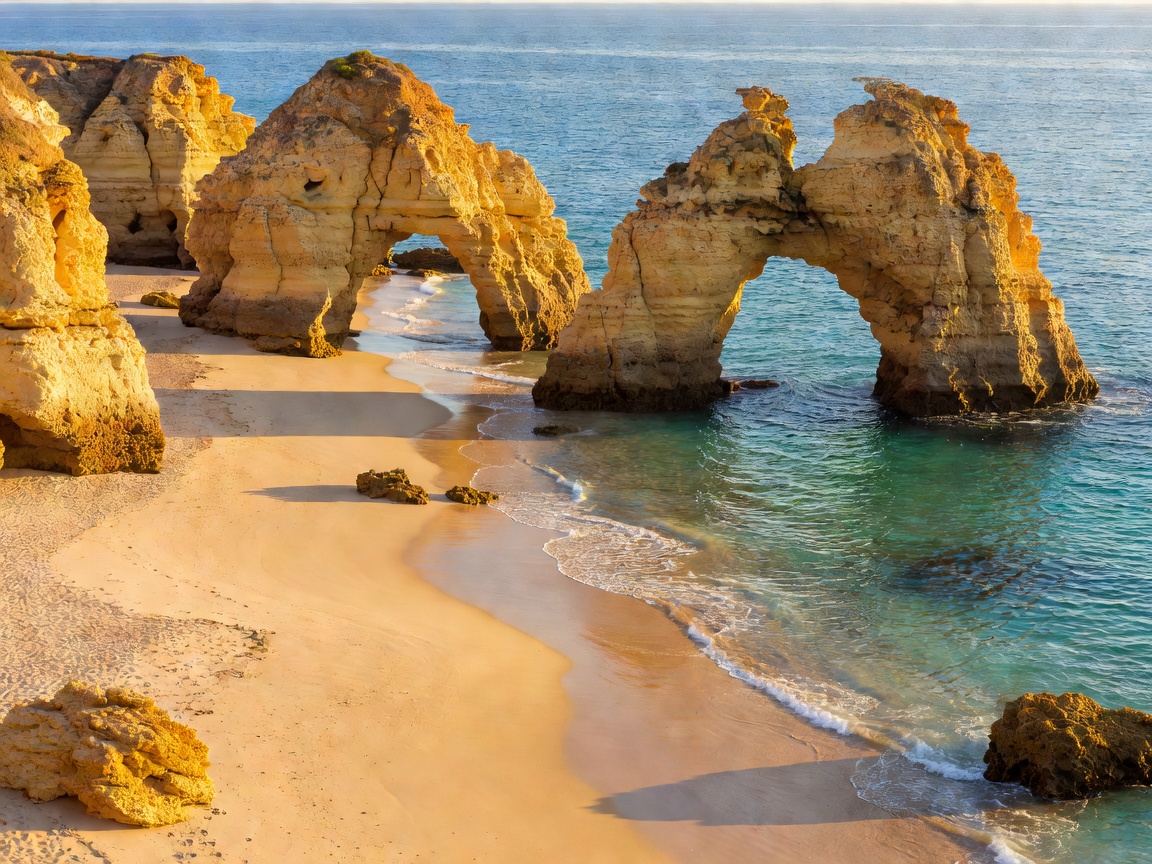
The Atlantic coast—spanning Portugal, northern Spain's Galicia and Asturias, western France, and the British Isles—operates on an entirely different scale than the landlocked Mediterranean. Here, tides drop tens of meters twice daily. Powerful swells create world-class surf, but they also bring strong undertows and chilly water temperatures.
- Atlantic Beaches: Best for surfing, coastal walking, wide open horizons, and refreshing swims after a hot hike. Always observe beach warning flags carefully.
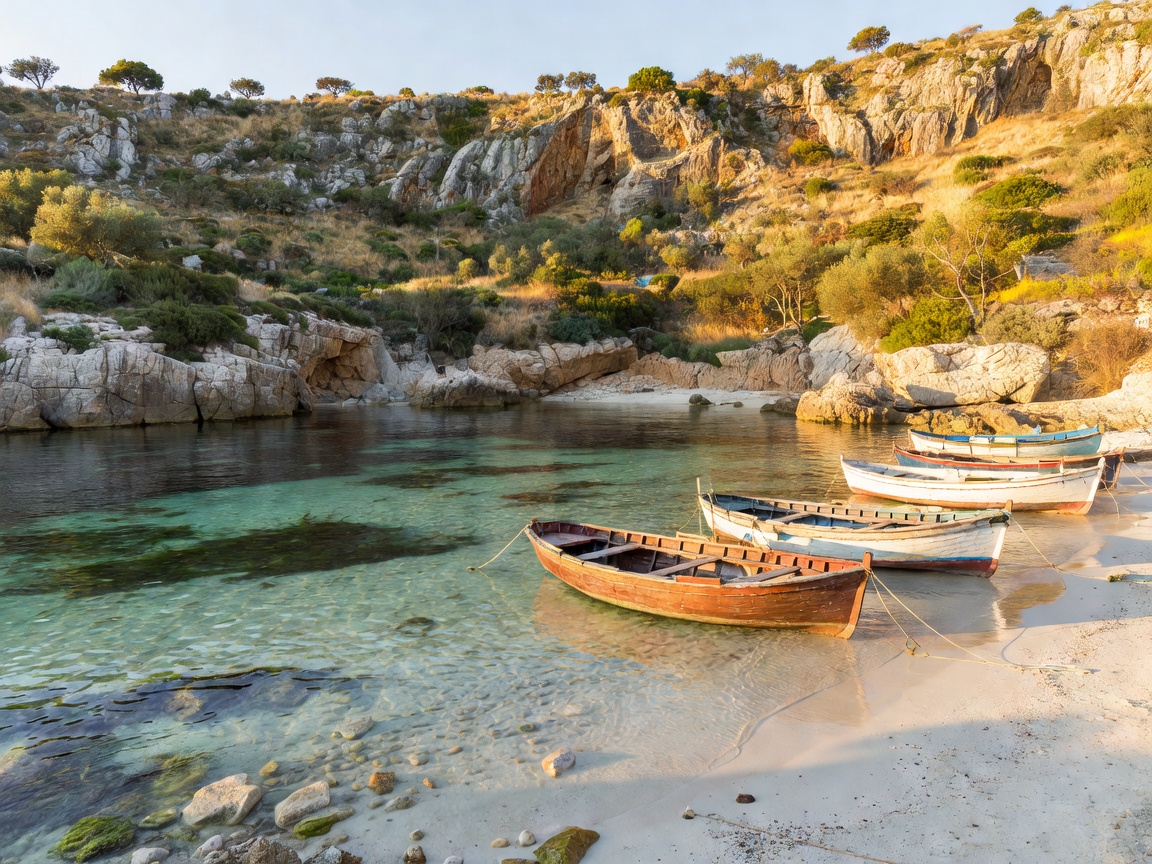
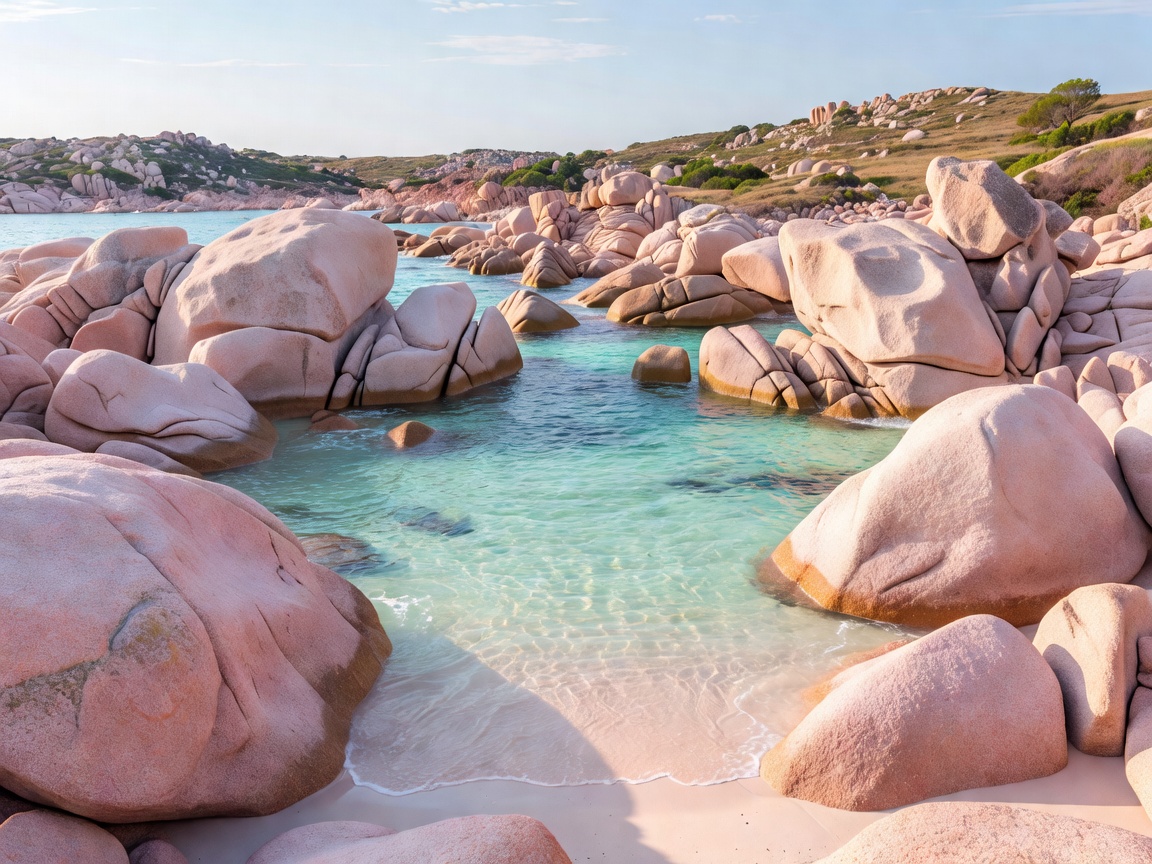
- Mediterranean & Adriatic Bays: Generally low-energy waters with minimal tidal drop. Ideal for long distance swims, stand-up paddleboarding, and relaxed snorkeling right off the shore.
- Baltic & North Sea Strands: Broad, powdery white sands bordered by wind-sculpted sand dunes and sea grass. Water temperatures remain crisp, but traditional wicker beach baskets (Strandkörbe) provide cozy shelter from sea breezes.
Seasonality and Crowds
Europe's beaches change character completely depending on the calendar. During peak season (late July through late August), nearly every accessible beach in southern Europe fills up by 10:30 AM. Parking lots near popular coves in Mallorca, Crete, or the Amalfi coast overflow quickly, and quiet moments become rare.
If you can travel during the shoulder seasons—specifically June or September through early October—the entire coastal experience transforms. In September, the Mediterranean water is at its warmest after soaking up three months of summer sun. The air is warm rather than scorching, beach bars remain open, and you can easily find your own quiet stretch of shoreline without setting an alarm at dawn.
Accessibility and Amenities
Before heading out, consider what you are willing to hike for. Some of Europe's most memorable coves require a 30-minute descent down rocky goat paths with no shade, no snack shacks, and no freshwater taps. If you choose these wilder spots, pack plenty of water, high-SPF sun protection, and sturdy sandals. If you prefer hot espresso and beach umbrellas within arm's reach, stick to established municipal town beaches like those in San Sebastián, Sitges, or Tossa de Mar.