From Morning Auctions to Twilight Tavernas
There is no such thing as a singular "European coastal cuisine." When people casually say they love seaside cooking, they are usually combining a dozen distinct regional traditions that have spent centuries developing in isolation.
The Atlantic and the Mediterranean produce radically different ingredients. The cold, oxygen-rich currents of the Atlantic and the Bay of Biscay yield plump bivalves, cold-water crabs, and dense oily fish like sardines, mackerel, and hake. The calmer, warmer, more saline Mediterranean yields delicate bream (dorade), sea bass (branzino), red mullet (rouget), and tender squid that demand minimal intervention—just sea salt, lemon, and grassy olive oil.
Morning Fish Markets: The Best Free Show on the Coast
If you want to see authentic harbor life, skip the hotel breakfast buffet and head directly to the municipal fish market. In cities like Cádiz, Catania, Split, and Marseille, market stalls are communal theaters.
Fishmongers shout out the morning prices in regional dialect, spraying water over silver dorades and trimming swordfish steaks with practiced rhythm. You will see grandmothers inspecting the clarity of fish eyes and checking red gills for absolute freshness. Even if your lodging doesn't have a kitchen to cook a whole fish, many market halls now feature small corner counters where cooks will fry up small cones of anchovies, calamari, or prawns on the spot for a few euros.
Avoid restaurants that show glossy photographic menus translated into five languages, or places with staff stationed outside waving pedestrians in. Instead, look for spots filled with harbor workers at 1:00 PM, handwritten daily chalkboards that list only what was landed that morning, and kitchens that smell cleanly of woodsmoke and garlic rather than old fryer oil.
The Philosophy of Simple Grilling
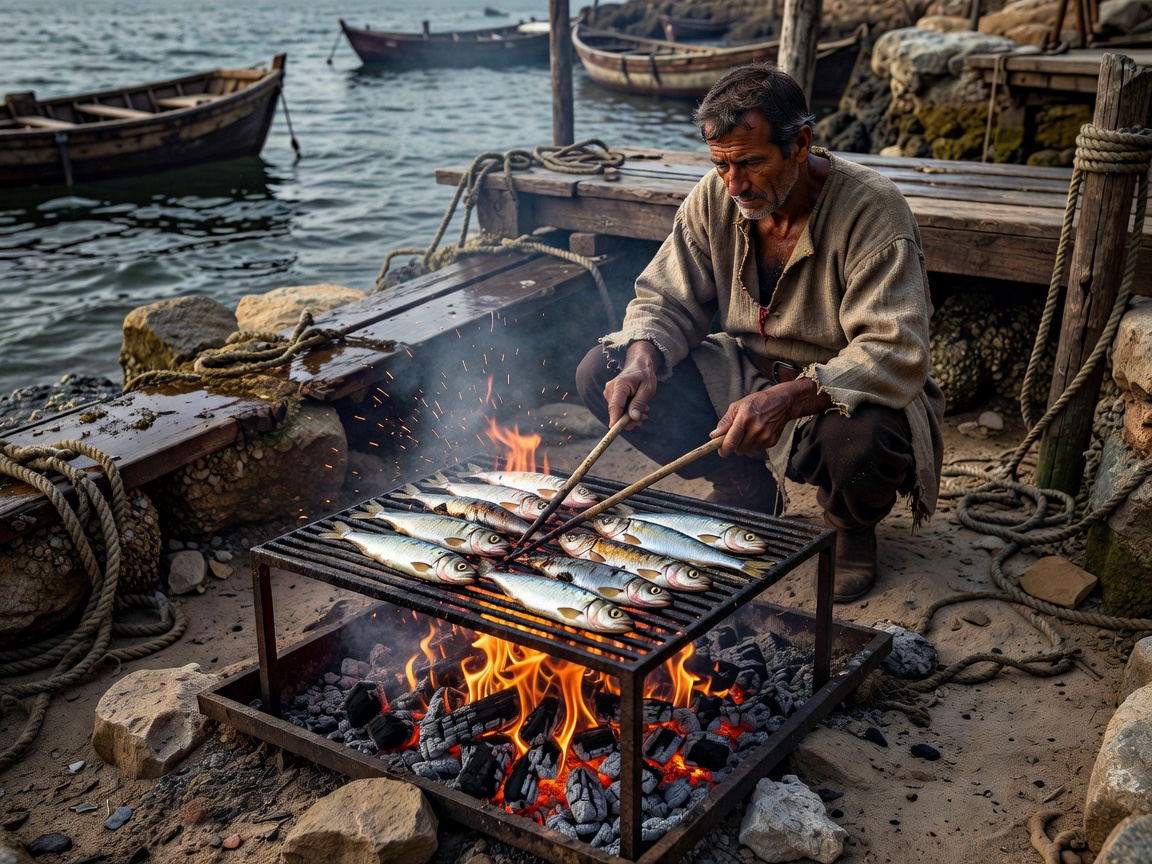
The hallmark of great European coastal cooking is restraint. When an ingredient has spent the morning swimming in clean ocean currents, heavy sauces, complicated reductions, and elaborate garnishes are seen as an insult to the fisherman's labor.
- In Greece and Croatia: Fish is simply brushed with olive oil, grilled over olive-wood or charcoal embers, and drizzled with ladolemono (a simple emulsification of lemon juice, sea salt, and extra-virgin olive oil) alongside boiled Swiss chard and potatoes.
- In Northern Spain: In seaside villages like Getaria, whole turbot is placed into custom wire cages and cooked over open-air charcoal hearths on the sidewalk, basted only with a hot splash of garlic, cider vinegar, and dried chili.
- In Southern Italy: Spaghetti alle Vongole requires little more than fresh carpet-shell clams, olive oil, sliced garlic, a pinch of chili, and pasta cooking water tossed vigorously until the starch creates a creamy sheen.
Seasonality and the Squid & Sardine Calendars
Just as tomatoes have a season, fish and shellfish follow strict biological and environmental cycles. Eating coastal food responsibly means respecting these seasonal rhythms rather than expecting every species year-round.
For example, fresh Portuguese sardines are at their absolute peak between June and late August, when they feed on summer plankton blooms and build up rich, delicious fat reserves. If you are offered "fresh" sardines in December, they were either frozen or shipped from thousands of miles away. Similarly, sea urchins (oursins in Provence, ricci di mare in Puglia) are celebrated during crisp winter and early spring months, when seaside towns host open-air urchin festivals right along the seawall.
Dining Etiquette by the Water
Seaside meals in Europe are never meant to be rushed. In Mediterranean culture, lunch (the main meal) routinely spans two to three hours. It is completely normal to sit at an outdoor table lingering over an espresso or a local digestive while the afternoon sun softens over the harbor. Never feel pressured to free up your table the instant you finish eating; once you sit down, the table belongs to you for as long as you wish to watch the tide.